What to notice first
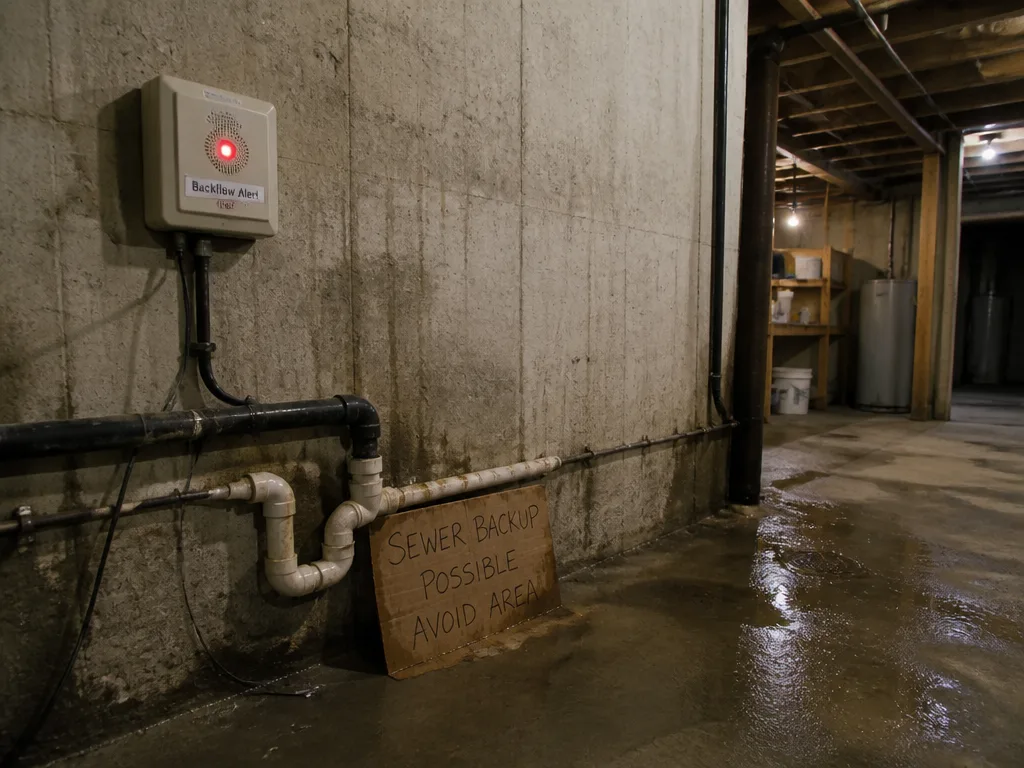
Backups don’t always announce themselves with a crowd of signs. In many Alabama homes a slow draining sink or tub can quietly point to a deeper issue. The telltale indicator to watch for is water rising in multiple fixtures when you flush or run water elsewhere. If you notice gurgling sounds, foul odors, or water that won’t clear from a drain after a few uses, that’s a sign something is off in the main line or a branch line. Alabama homeowners deserve answers, not guesses, so start with a calm assessment and plan for a professional check.
Another red flag is water on the floor around a toilet or a cleanout cap that’s tight but still leaking. Those leaks may seem minor, but they can lead to bigger problems across Alabama if left untreated. A slow drain in the shower that suddenly becomes a full backup is a classic cue that the system is struggling under pressure.
Why these signs matter in Alabama
Statewide conditions matter. In Alabama, ground conditions and soil types can influence how lines settle over time. Rain events can temporarily push wastewater back toward fixtures, especially in older neighborhoods. A pattern of backups after heavy rain is a reminder to call a plumber you trust to inspect the main line and any accessible cleanouts. Our crews in Alabama work with local municipal codes and know what to look for when lines start to show stress.
Professional evaluation is about accuracy, not alarm. A plumber will check the main line, look for cracks, and assess tree root intrusion if roots are nearby. Early detection saves money and reduces the risk of foundation damage from wastewater leaks. Alabama homeowners should plan a proactive inspection if you’ve noticed repeated backups or slow drains in multiple rooms.
What to expect from a pro assessment
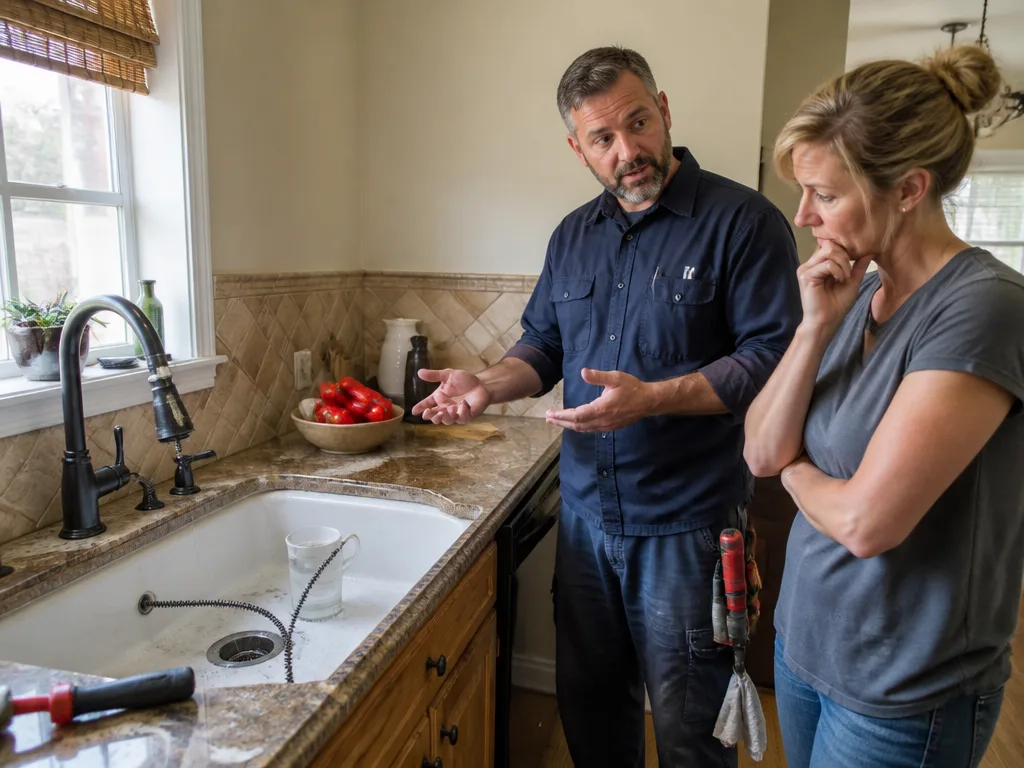
When a plumber arrives, they’ll ask about when the backups started, any recent plumbing work, and what fixtures are affected. Expect camera inspection options for the main line if needed, and a range of non-invasive tests to locate the source. The goal is to identify whether the issue is a simple clog that a root of a tree has caused, or a more significant problem like a collapsed pipe. The right next step should be clear and practical.
After the diagnosis, a plan will be presented in plain terms. If a repair is needed, you’ll get a description of the recommended approach, the anticipated timeline, and the cost range. Alabama Septic Tank Service focuses on honest upfront conversations, so you’re never surprised by the bill. The outcome is a system that works reliably again, with a path for maintenance to prevent future trouble.
Prevention tips for Alabama homes
Keep solid waste out of drains and consider a preventative cleanout if your home has a history of backups. Using strainers in sinks and shower drains reduces the amount of debris that makes it into the main line. If you have mature but aging plumbing, be mindful of what you flush and pour down the drain. A little care goes a long way toward avoiding a major backup in any Alabama season.
Finally, know when to call. If you’re seeing backups in more than one room, or if the water level in a toilet rises after a neighbor’s flood, it’s time to bring in a plumber. Alabama Septic Tank Service serves homeowners statewide and can help you determine whether a simple cleanup will do or if a larger repair is necessary.